
The historical evolution of gambling From ancient rituals to modern games
The historical evolution of gambling From ancient rituals to modern games
Origins of Gambling in Ancient Civilizations
The practice of gambling dates back to ancient civilizations, where it was intertwined with rituals and cultural beliefs. Evidence suggests that as far back as 3000 BC, the Chinese were using rudimentary forms of gambling, such as dice made from animal bones. In ancient Egypt, similar practices emerged, with games of chance playing a role in societal rituals and entertainment. Today, a wealth of information about modern gambling can be found online, including resources like https://25robertst.com/paysafecard/, which highlights secure methods used by players.

These early forms of gambling often served more than just amusement; they were tied to religious ceremonies and social hierarchies. As civilizations progressed, gambling evolved into more structured activities, often associated with the elite classes. This association set the stage for the complex relationship that would develop between gambling, society, and politics.
The Role of Gambling in Ancient Cultures
Throughout history, gambling has been an integral part of many cultures. In ancient Rome, for example, betting on gladiatorial games was popular among citizens and was considered a significant aspect of entertainment. The Romans even implemented laws regulating gambling to curb excesses that could destabilize society.
Meanwhile, in India, gambling has been portrayed in ancient texts like the Mahabharata, where games of chance determined the fate of characters. This reveals how gambling was not merely a pastime but a crucial element that could influence life-changing events, showcasing its deep-rooted significance in ancient societies.
The Transition to Modern Gambling Practices
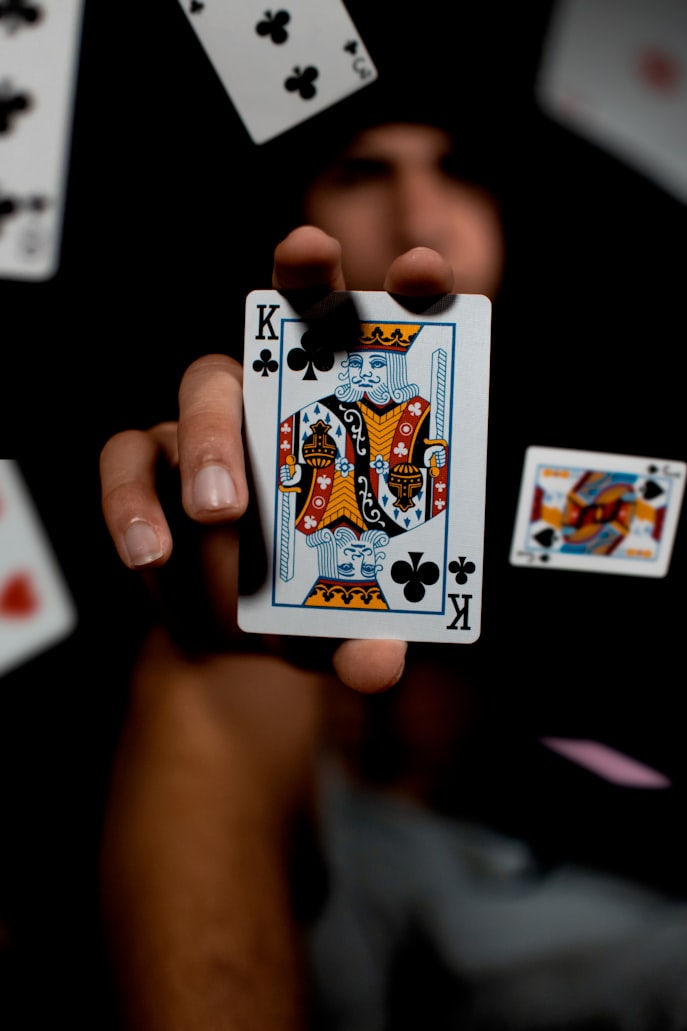
As societies advanced, so did gambling practices. The Middle Ages saw the rise of card games and betting houses, particularly in Europe. These venues became social hubs, reflecting the communal aspect of gambling. The invention of playing cards in the 14th century facilitated new gaming experiences, expanding the appeal of gambling to broader audiences.
By the 17th century, the establishment of lotteries marked a significant shift, as governments sought to fund public projects through organized gambling. This transition signaled a move from informal, often unregulated activities to more structured, state-sanctioned forms of gambling, paving the way for the modern industry we recognize today.
The Influence of Technology on Gambling
The advent of technology has profoundly transformed the gambling landscape. The 20th century introduced mechanical slot machines, which quickly gained popularity in casinos and bars. This innovation simplified the gambling experience, making it accessible to those unfamiliar with more complex games.
The rise of the internet in the late 20th century revolutionized gambling again, giving birth to online casinos. Players now had access to a wide array of games from the comfort of their homes. This shift not only broadened the audience for gambling but also introduced new challenges and regulations, as governments began to grapple with the implications of online betting.
Exploring Responsible Gaming Today
In today’s gambling landscape, there is a strong emphasis on promoting responsible gaming practices. With numerous options available, from land-based casinos to online platforms, ensuring a safe and enjoyable experience is paramount. Resources for responsible gambling are more accessible than ever, reflecting a societal shift toward safeguarding players.
As the industry continues to evolve, understanding the historical context of gambling can enhance our awareness of its modern implications. Websites dedicated to guiding players through responsible gaming practices, such as those focusing on secure payment methods and casino options, play a critical role in fostering a healthy gambling environment.